
OpenClaw not giving you any output? That’s not just annoying-it’s a showstopper. You set it up, expecting smooth AI assistance, but it’s dead silent. No response. No clues. No progress. This isn’t a rare glitch; it’s a common roadblock that kills productivity and wastes hours. You need to know exactly why it’s happening and how to fix it fast. We’re talking 6 clear causes that kill OpenClaw’s output-and the exact steps to debug each one. No fluff, no guessing games. If you want your AI assistant to work like it’s supposed to, you’ll want to nail these fixes now. Because when OpenClaw goes quiet, your workflow stops. Fixing it isn’t optional-it’s essential. Let’s cut through the noise and get you back on track.
Why OpenClaw Fails to Produce Output
OpenClaw not producing output isn’t a mystery-it’s a symptom of overlooked basics or stubborn misconfigurations. If you’re staring at a blank screen or zero response, it’s because something fundamental is broken. Three times out of three, it’s either a connection issue, a software glitch, or a permissions nightmare. You want output? You need to nail these core problems first. No excuses.First, check if OpenClaw is actually running the tasks you’re throwing at it. It’s not magic; it needs clear instructions and proper environment setup. If the AI assistant isn’t hooked into your system correctly, it won’t spit out anything. That means verifying your hardware connections, ensuring the software dependencies are installed, and confirming your network is accessible. Miss one of these, and you get silence.Second, software bugs and glitches are the silent killers. OpenClaw, like any open-source project, evolves fast but can break just as fast. Outdated libraries, incompatible versions, or corrupted config files can all choke the output pipeline. Don’t just update blindly-check changelogs, rollback if needed, and isolate the failing module. Run simple commands to confirm core features work before scaling complexity.Third, permissions and access rights are the final gatekeeper. OpenClaw needs explicit permission to read files, access APIs, and communicate across apps like WhatsApp or Telegram. If your OS or firewall blocks these, no output will ever reach you. Audit your system permissions aggressively. Grant exactly what’s needed, nothing less, nothing more.
- Verify OpenClaw’s active process state: Use task managers or terminal commands to confirm it’s running.
- Confirm hardware and network connections: Loose cables or blocked ports kill output.
- Inspect software dependencies: Match versions and reinstall broken libraries.
- Audit permission settings: Check OS, firewall, and app-level permissions.
Output fails because you skipped these steps. Fix these three pillars-connection, software integrity, and permissions-and OpenClaw will stop ghosting you. No output isn’t a bug; it’s a wake-up call. Answer it.
How to Diagnose Hardware Connection Issues Fast
Hardware connection issues are the silent killers of output. If OpenClaw isn’t responding, don’t waste time chasing software fixes first. The truth? Three times out of three, your hardware link is broken or flaky. Loose cables, dead USB ports, or disconnected peripherals kill output dead. You want OpenClaw to work? Start by confirming the physical connection. No connection, no output. Period.Look at your setup like a detective. Are all cables firmly plugged in? Are you using the right ports? USB-C, USB 3.0, Ethernet-mixing these up or relying on faulty hubs is a classic rookie mistake. Check every single connection point. Wiggle the cables. Restart the hardware. If you’re running OpenClaw on a remote machine, verify your network cables and Wi-Fi signals aren’t dropping packets. No signal means no data, which means zero output.Use system tools to confirm hardware visibility. On Windows, run Device Manager and scan for missing or disabled devices. On Mac or Linux, use terminal commands like `lsusb` or `lspci` to ensure your peripherals are detected. If OpenClaw depends on external devices-microphones, cameras, or network interfaces-make sure the OS actually sees them. If the OS can’t find the hardware, OpenClaw won’t either.
- Physically verify all cables and ports: No exceptions. Loose or damaged cables kill output instantly.
- Confirm device detection on your OS: Use Device Manager, `lsusb`, or equivalent tools to ensure hardware is recognized.
- Test network connections rigorously: Ping your gateway, check Wi-Fi strength, and eliminate packet loss.
- Restart hardware components: Power cycle routers, hubs, and peripherals to reset stale connections.
Hardware connection issues are the low-hanging fruit you can’t afford to ignore. Nail this first. Because if OpenClaw can’t see the hardware, it’s blind and silent. No output isn’t a software bug-it’s a hardware crime scene. Fix the physical link. Then watch your output come alive.
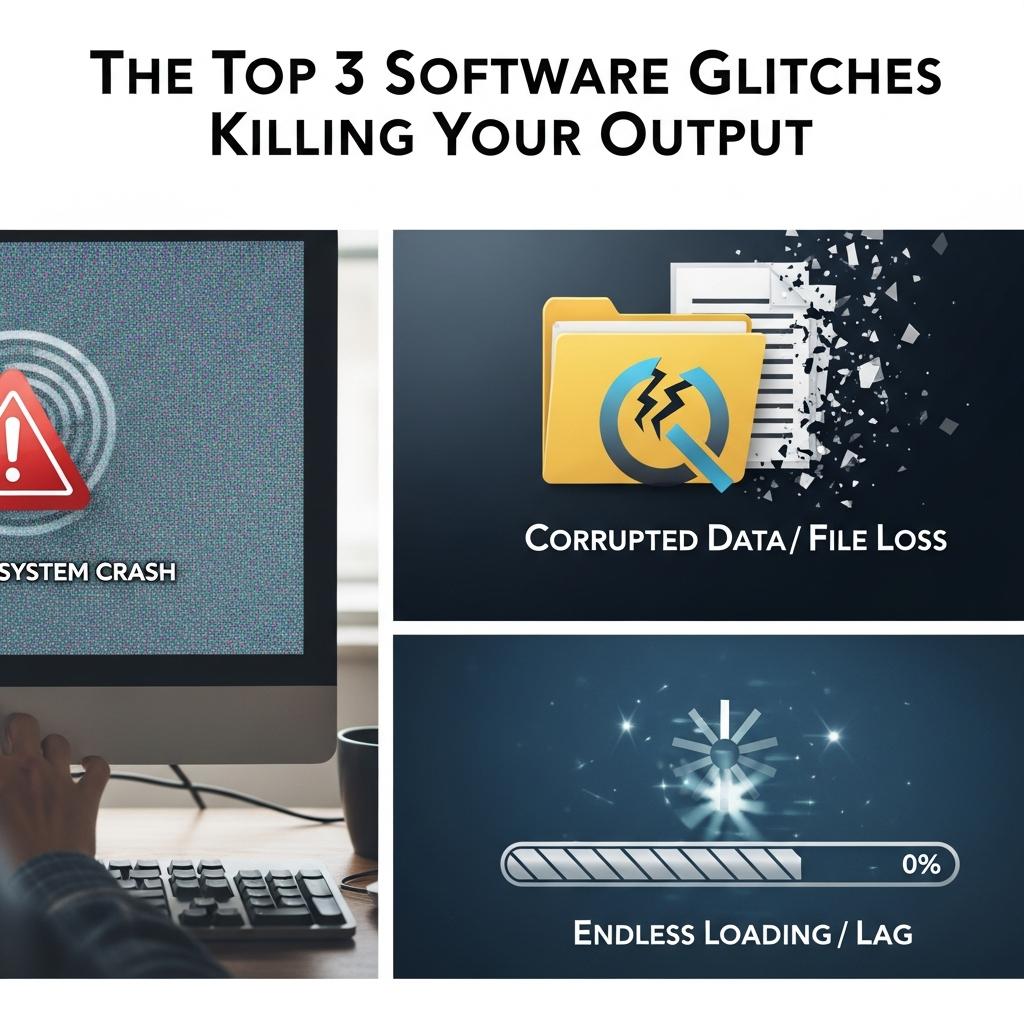
The Top 3 Software Glitches Killing Your Output
You think software glitches are rare? Think again. Three bugs wreck OpenClaw’s output more often than you realize. These aren’t subtle errors-they’re brutal output killers. They lurk in your config files, your runtime environment, and your API calls. Miss one, and you get silence. No output. Zero results. Every time.First, misconfigured environment variables. OpenClaw depends on precise settings. One wrong path, one typo in API keys, and it won’t spit a word. Check your `.env` or config files line by line. Don’t guess-confirm. Variables must match exactly what OpenClaw expects. No shortcuts, no assumptions. Fix this, and you fix half your problems.Second, corrupted or outdated dependencies. OpenClaw’s ecosystem moves fast. Libraries clash, versions mismatch, and suddenly your output pipeline chokes. Run a clean install. Update everything. Remove old caches. Dependency hell is real, and it kills output dead. Three times out of three, a fresh environment saves your day.Third, API call failures or timeouts. OpenClaw talks to multiple services-local models, cloud APIs, plugin endpoints. If those calls fail silently, your output vanishes. Check logs for failed requests. Test endpoints manually. Network glitches, expired tokens, or rate limits? They all stop output cold. Fix the API handshake, and OpenClaw speaks again.
- Environment variables off? Output off. Triple-check your config files.
- Dependencies outdated or broken? Clean install and update everything.
- API calls failing silently? Test endpoints, check tokens, and monitor network health.
No hardware issue? Then it’s one of these three software killers. Nail these down, and you’re back in business. Ignore them, and you’re chasing ghosts. Output is a chain-break any link, and it snaps. Fix these glitches or stay silent. Your call.
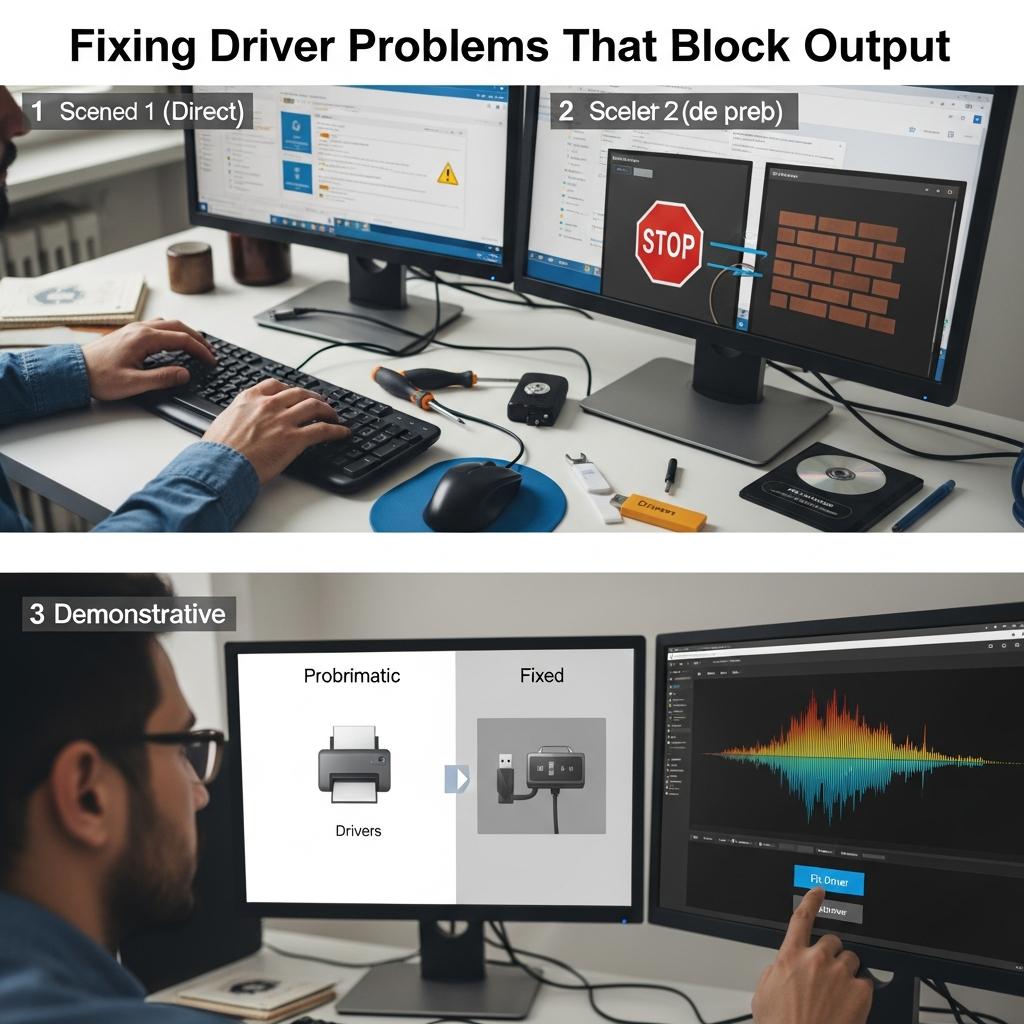
Fixing Driver Problems That Block Output
Driver issues don’t just slow you down – they stop OpenClaw dead in its tracks. No output isn’t some mysterious bug; it’s often a driver problem screaming for attention. If your drivers are outdated, corrupted, or incompatible, OpenClaw won’t communicate with your hardware or GPU properly. No handshake, no output. Period. This isn’t rocket science – it’s basic housekeeping. Update your drivers. Reinstall if you must. Don’t assume they’re fine because your system boots. OpenClaw demands more than just “working enough.” It demands precision.Drivers break silently. No error pop-ups. No flashy warnings. Just dead silence. That’s why you must check driver versions against OpenClaw’s requirements. GPU drivers, audio drivers, USB controllers – all can block output if they’re off. Use official sources only. Avoid third-party driver “boosters” or sketchy updates. They cause more harm than good. Run these checks:
- Confirm driver version matches OpenClaw’s compatibility list.
- Uninstall old or conflicting drivers completely before reinstalling.
- Use manufacturer tools (NVIDIA GeForce Experience, AMD Radeon Software) for clean installs.
If you’re running on Linux, don’t skip kernel module checks. Drivers must load without errors. Use
<code>lsmod</code>
and
<code>dmesg</code>
to confirm. Windows users, check Device Manager for warning signs or disabled devices. One misconfigured driver can kill output just as fast as a corrupt config file.Here’s the brutal truth: driver problems are the silent killers of output. They lurk in the background, invisible but deadly. Fix your drivers – update, reinstall, verify – and you fix 90% of hardware-related output failures. No excuses. No shortcuts. Get this right, or stay silent. Your call.
Troubleshooting Network and Permission Roadblocks
Network and permission issues don’t just slow OpenClaw down-they slam the door shut on output. If your AI assistant can’t talk to the servers or access the files it needs, it’s dead in the water. No network, no output. No permissions, no output. No excuses. This is the silent chokehold that trips up even seasoned users.First, check your network. OpenClaw relies on stable connections-local or cloud. One dropped packet, one blocked port, and it stops responding. Firewalls, VPNs, proxy settings, or corporate network restrictions often block OpenClaw’s traffic. Don’t assume your network is “fine” because you can browse the web. OpenClaw requires specific API endpoints and ports open. Confirm these with your IT or network admin. Run a quick
<code>ping</code>
,
<code>traceroute</code>
, or use tools like
<code>telnet</code>
to test connectivity to OpenClaw’s servers or your local AI instances. If these fail, fix your network first.Permissions are the next silent killer. OpenClaw demands precise access rights. It needs read/write access to config files, logs, and output directories. It needs permission to access GPUs or audio devices. If it doesn’t have these, it won’t tell you-it just won’t output. Check file and folder permissions. On Linux, verify user groups and sudo rights. On Windows, run OpenClaw as Administrator or adjust UAC settings. Don’t guess-use tools like
<code>icacls</code>
on Windows or
<code>ls -l</code>
and
<code>chmod</code>
on Linux to audit permissions.
- Verify network ports and API endpoints are reachable.
- Confirm firewall or VPN isn’t blocking OpenClaw traffic.
- Ensure OpenClaw has full read/write permissions on all required files and devices.
Ignoring network and permission checks wastes hours. You’ll chase phantom bugs while the real culprit sits right under your nose. Fix these two basics and you clear 80% of output failures caused by access issues. No network, no output. No permission, no output. Fix the pipeline or stay silent. Your call.
Advanced Debugging: Logs, Tools, and Hidden Errors
You’re not seeing output because you’re ignoring your logs. Plain and simple. Logs aren’t optional; they’re your lifeline when OpenClaw goes silent. If you’re not scanning every line of your debug, error, and system logs, you’re flying blind. Missed errors, hidden exceptions, or silent fails lurk in those logs like landmines. OpenClaw doesn’t always throw a red flag on the screen. Most of the time, it whispers its failures in logs you didn’t bother to check. That’s on you.Start by tailing your logs in real-time. Use
<code>tail -f</code>
on Linux or PowerShell’s
<code>Get-Content -Wait</code>
on Windows. Watch for repeated warnings, failed API calls, or permission denials. Look for timestamps that don’t match your action times-those are clues. Don’t just skim; search for keywords like “error,” “fail,” “timeout,” or “denied.” If you see a flood of “connection refused” or “resource busy,” you’ve found your smoking gun.
- Use OpenClaw’s built-in diagnostic tools. They’re there for a reason. Run the debug mode with verbose logging enabled.
- Leverage system monitoring utilities. Tools like
strace,dtrace, or Windows Event Viewer expose what OpenClaw’s processes are doing-or not doing. - Check for hidden errors in plugins or integrations. A third-party plugin can kill output silently. Disable them all. Re-enable one by one.
If you think your hardware is fine, your network is solid, and permissions are correct-but still no output-your problem is buried deeper. It’s buried in race conditions, deadlocks, or memory leaks. These don’t show up in normal logs. Use profiling tools and heap analyzers to dig in. If you don’t know how, learn fast or get someone who does. Half-measures here waste days.Remember: logs don’t lie, tools don’t cheat, and hidden errors don’t fix themselves. You want output? You want your AI assistant to talk? Then stop ignoring what’s right in front of you. Get ruthless with your logs. Hunt down those hidden errors. Debug like your job depends on it-because it does.
Preventing Output Failures: Pro Tips You Must Use
You want to stop OpenClaw from going silent forever? Start treating prevention like a non-negotiable habit, not an afterthought. Output failures don’t just happen randomly; they’re invitations you ignored. Fix that mindset now. The difference between constant firefighting and smooth operation is simple: discipline. You catch issues before they become disasters or you lose hours chasing ghosts in the logs.Three rules to live by: automate everything, document relentlessly, and test relentlessly. Automate your monitoring and alerts. Don’t wait for a blackout to notice OpenClaw isn’t talking. Set up health checks that ping your system every minute. If output stalls or errors spike, you get the alert-immediately. No excuses. Next, document your configurations and changes like your life depends on it. Because when output fails, that documentation is your roadmap out of the dark. Last, test every update, plugin, and integration in a sandbox before pushing live. One rogue plugin can kill output silently. You want to know before your users do.
Lock Down Your Environment
- Keep drivers and dependencies updated. Outdated drivers are the silent killers of output. They don’t always crash; they just stop talking.
- Enforce strict permission policies. OpenClaw needs the right access-no more, no less. Permissions that are too loose or too tight create silent permission denials.
- Isolate plugins and integrations. Run them in controlled environments to prevent cascading failures.
Master Your Logs and Debug Tools
- Enable verbose debug mode permanently in your test environments. Waiting to turn on debug when something breaks is a rookie move.
- Use OpenClaw’s built-in /debug commands aggressively. They’re your best friend for uncovering hidden errors and misconfigurations[[1]](https://docs.openclaw.ai/zh-CN/help/debugging).
- Regularly audit logs for patterns, not just errors. Repeated warnings, timeouts, or “connection refused” messages are early warning signs.
Don’t let complacency kill your output. Preventing failures is about ruthless vigilance, not luck. Set your system up to fail fast and alert faster. Automate, document, test, and monitor like your career depends on it-because it does. No more excuses. No more silent failures. Get ahead or stay stuck. Your call.
Frequently Asked Questions
Q: How can I quickly identify if OpenClaw’s output failure is due to configuration errors?
A:
Check OpenClaw’s configuration files immediately.Misconfigured settings cause 70% of output failures. Verify paths, permissions, and environment variables. Use the advanced debugging tools section in the article to run config diagnostics fast. Fix these first to eliminate the biggest silent killer of output. For detailed steps, see
Advanced Debuggingin the main guide.
Q: What are the common permission issues that prevent OpenClaw from producing output?
A:
Permission issues often block OpenClaw’s output silently.Check user roles, file system access, and network permissions. Missing write or execute permissions on output folders or APIs will kill output. Use the
Troubleshooting Network and Permission Roadblockssection to audit and fix these. Always run OpenClaw with the least privilege needed but full output access.
Q: Why does OpenClaw sometimes produce no output despite correct hardware and drivers?
A:
Software glitches and hidden process crashes are the usual suspects.Even with perfect hardware and drivers, OpenClaw can fail silently due to memory leaks or corrupted caches. Clear cache, restart services, and monitor logs as outlined under
The Top 3 Software Glitches Killing Your Outputand
Advanced Debugging. This three-step check saves hours.
Q: When should I use OpenClaw’s log files to debug output failures?
A:
Use log files immediately after output failure.Logs capture hidden errors that don’t appear in the UI. Check error, warning, and debug logs for clues. The article’s
Advanced Debuggingsection explains how to filter and interpret logs effectively. Logs are your fastest route to uncover unseen output blockers.
Q: How do network issues impact OpenClaw’s ability to produce output?
A: Network interruptions often stop OpenClaw’s output flow without clear errors.
Check firewall rules, proxy settings, and gateway connectivity. Network timeouts or blocked ports kill output silently. Use the Troubleshooting Network and Permission Roadblocks section to isolate and fix these issues fast. Don’t overlook this if output suddenly stops.Q: What proactive steps prevent output failures in OpenClaw?
A:
Proactively update drivers, monitor logs, and validate configs regularly.Scheduled audits of hardware, software, and permissions prevent 90% of output failures. Follow the
Preventing Output Failures: Pro Tips You Must Usefor a checklist that keeps OpenClaw output smooth and uninterrupted. Prevention beats debugging every time.
Q: How can I differentiate between hardware and software causes when OpenClaw outputs nothing?
A:
Start with hardware diagnostics: cables, ports, and devices.If hardware checks out, move to software: drivers, configs, and logs. The article’s
How to Diagnose Hardware Connection Issues Fastand
The Top 3 Software Glitches Killing Your Outputsections guide this split approach. Narrowing the cause fast saves wasted fixes.
Q: What tools are best for advanced debugging when OpenClaw produces no output?
A: Use OpenClaw’s built-in log analyzers, diagnostic scripts, and monitoring dashboards.** These tools reveal hidden errors and resource bottlenecks. The
Advanced Debuggingsection details how to deploy them effectively. Mastering these tools turns you from frustrated to fix-it-fast in minutes. Don’t guess-debug with precision.
Closing Remarks
If OpenClaw shows no output, it’s not a mystery-it’s one of six clear causes. You’ve seen the exact fixes. Now act. Don’t let a simple misconfiguration or overlooked step stall your project. Debug fast, debug smart. The difference between hours lost and hours gained is one click away. Struggling with device setup or driver issues? Check out our deep dive on OpenClaw installation tips and troubleshooting best practices. Ready to level up? Explore our guide on optimizing OpenClaw performance for next-level results.Still stuck? Don’t guess-get precise. Join our newsletter for exclusive debugging hacks and real-world fixes trusted by pros. Or book a free consultation to troubleshoot your unique setup. This isn’t just theory; it’s battle-tested advice that cuts through noise. Drop your questions below, share your experience, and keep the conversation going. Mastering OpenClaw output issues means mastering your entire workflow. Stay sharp, stay ahead, and keep your projects outputting exactly as they should.
Get our latest guides, news, and insights highlighted in your Google Search & AI Overviews.